
During the early evolution of dynamic websites, WebGraphicsRus developed and customized web applications to meet specific business needs. At a time when many sites were static and limited in functionality, server-side scripting made it possible to create interactive, data-driven experiences that supported real workflows and user engagement.
WebGraphicsRus worked with multiple server environments and selected development tools based on client requirements and hosting infrastructure. Applications were built or adapted using technologies common at the time, including both proprietary and open-source solutions.
Server-Side Technologies
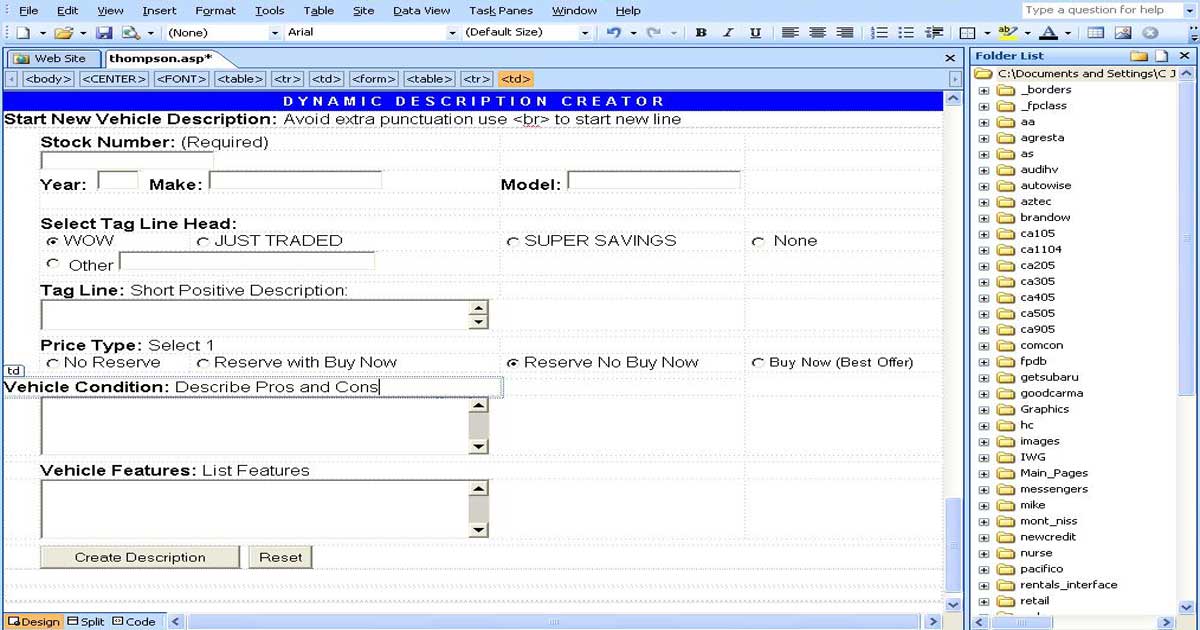
Custom development work utilized server-side scripting languages that generated HTML dynamically before delivering content to the user’s browser. This approach allowed sensitive logic to remain on the server while presenting clean, accessible interfaces to end users.
Different technologies were employed depending on platform constraints and cost considerations. Proprietary solutions running on Windows-based servers were used where required, while open-source scripting environments were often preferred for their flexibility, extensibility, and reduced licensing costs.
Open-Source Platforms and Tools
A key focus of WebGraphicsRus was leveraging stable, well-supported open-source applications as the foundation for custom solutions. Starting with proven platforms reduced development time and costs while allowing significant customization to meet individual site needs.
Common categories of applications included:
- Discussion forums and community platforms
- Content publishing and management systems
- Image and media galleries
- Form processing and data collection tools
These platforms could be configured, extended, and styled to create feature-rich websites without reinventing core functionality from scratch.
Cost-Effective Development Philosophy
Rather than building everything from the ground up, WebGraphicsRus emphasized using established frameworks and applications as a base. This approach helped clients launch content-rich, usable websites more quickly while maintaining control over future enhancements. Open-source solutions, in particular, allowed customization without the burden of additional licensing fees.
Present-Day Context
The applications and tools referenced on this page represent a formative period in web development, when dynamic content and server-side scripting began to shape modern websites. While technologies and best practices have advanced significantly, this page remains as a record of how flexible, open platforms enabled practical and affordable custom web solutions during the early growth of the internet.